





Broadband universal service obligation (USO)

Universal service obligations (USO) are intended to ensure that essential services are available across the UK at an affordable price.
In March 2018, the design of the broadband USO was laid out, bringing UK-wide high-speed broadband connectivity closer to reality.
The broadband USO stipulates that Ofcom has up to 2 years to implement the scheme. This means that by 2020, all UK citizens will have a legal right to a connection of at least 10 Mbps from a designated provider at an affordable rate. This connection could be delivered by a range of fixed line and wireless technologies.
The minimum required connection speed is to kept under review and increased over time. While 95% of the UK has access to superfast broadband already, the USO will provide a ‘digital safety net’ for those in the least accessible locations.
A per premises cost threshold of £3,400 will be applied, which will enable coverage to around 99.8% of premises. Those outside the threshold will be able to get a satellite connection or have the option of covering the excess themselves. Demand aggregation will be encouraged, so that people can combine their per premise cost thresholds.
The government expects the USO to be funded by industry, and Ofcom will be responsible for establishing an industry fund.
The digital minister Margot James said; “In the 21st century, accessing the internet is a necessity not a luxury. We are building a Britain that is fit for the future, and we’re now putting high speed broadband on a similar footing as other essential services like water and phone lines.”
[edit] Related articles on Designing Buildings Wiki
Featured articles
Check out some of the best features and news from Designing Buildings as well as key stories from around the web.

New Prime Minister delivers on ECA call for cut in electricity costs.

CIOB reacts to the announcement of Andy Burnham as Prime Minister.

Heritage and conservation science workforce survey - Have your say.
England's Suburbs 1820-2020. Book review.

New, more proportionate and targeted approach for higher-risk building assessments.

Government brings British Steel into public ownership.

UKCW Birmingham returns with bold new theme and focus.

New guidance published on competence requirements for self-certification schemes.
Construction Management, 8 July

NEETs crisis drives interest in trades, but apprenticeships barriers remain.
Passive fire protection webinar
MEP services penetration seals.

Where its at podcast (and video) - The role of the Architectural Technologist as an Expert Witness.
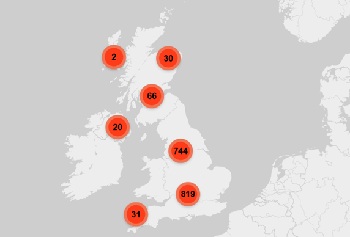
More than 200 remarkable buildings added to SAVE’s Buildings at Risk register.